
ENGWE Review 2026: Are These Budget E-Bikes Worth Buying?

ENGWE is a legitimate, well-established direct-to-consumer e-bike brand that has carved out a strong niche in affordable folding and fat-tire electric bikes. For riders who want a lot of hardware for the money, models like the EP-2 Pro, Engine Pro, M20 and L20 deliver genuine value: powerful 750W-class hub motors, chunky fat tires, suspension on many trims and folding frames that suit apartments, RVs and car trunks. The trade-offs are real and worth knowing before you buy. ENGWE bikes tend to be heavy, most models are not UL-certified, and customer service and warranty parts (often shipped from overseas) can be slow and inconsistent depending on your region. Treat manufacturer range figures as best-case, budget for helmet and safety gear, and check your local e-bike class laws. If you go in with realistic expectations, ENGWE is one of the better bang-for-buck options in the budget e-bike space.

Disclosure: this ENGWE review contains affiliate links; if you buy through them we may earn a commission at no extra cost to you. Our assessment is based on the product specifications and independent customer feedback – not on paid placement.
If you have shopped for an affordable electric bike in the last few years, you have almost certainly run into ENGWE. The brand has built a reputation on doing one thing well: packing big motors, fat tires and folding frames into bikes that undercut most name-brand competitors on price. But affordable does not automatically mean the right choice, and e-bikes are a category where the details matter, from battery safety certification to real-world range to how the company handles a warranty claim when something breaks. This in-depth review pulls together what independent testers, long-term owners and customer-review platforms actually report about ENGWE, so you can decide whether one of its bikes belongs in your garage. We will cover the flagship models, honest pros and cons, how ENGWE stacks up against rivals like Lectric, Aventon and Rad Power, and the safety and legal caveats every prospective e-bike buyer should understand.
The short answer
ENGWE is a real, established e-bike company (official site engwe.com) that sells affordable folding and fat-tire electric bikes directly to consumers. It is a solid value pick if you want a powerful, feature-rich bike on a budget and can accept heavier frames, mostly non-UL-certified batteries, optimistic range claims and customer support that can be hit-or-miss. It is a weaker pick if you need a lightweight bike, guaranteed UL safety certification or fast local warranty service.
What is ENGWE?
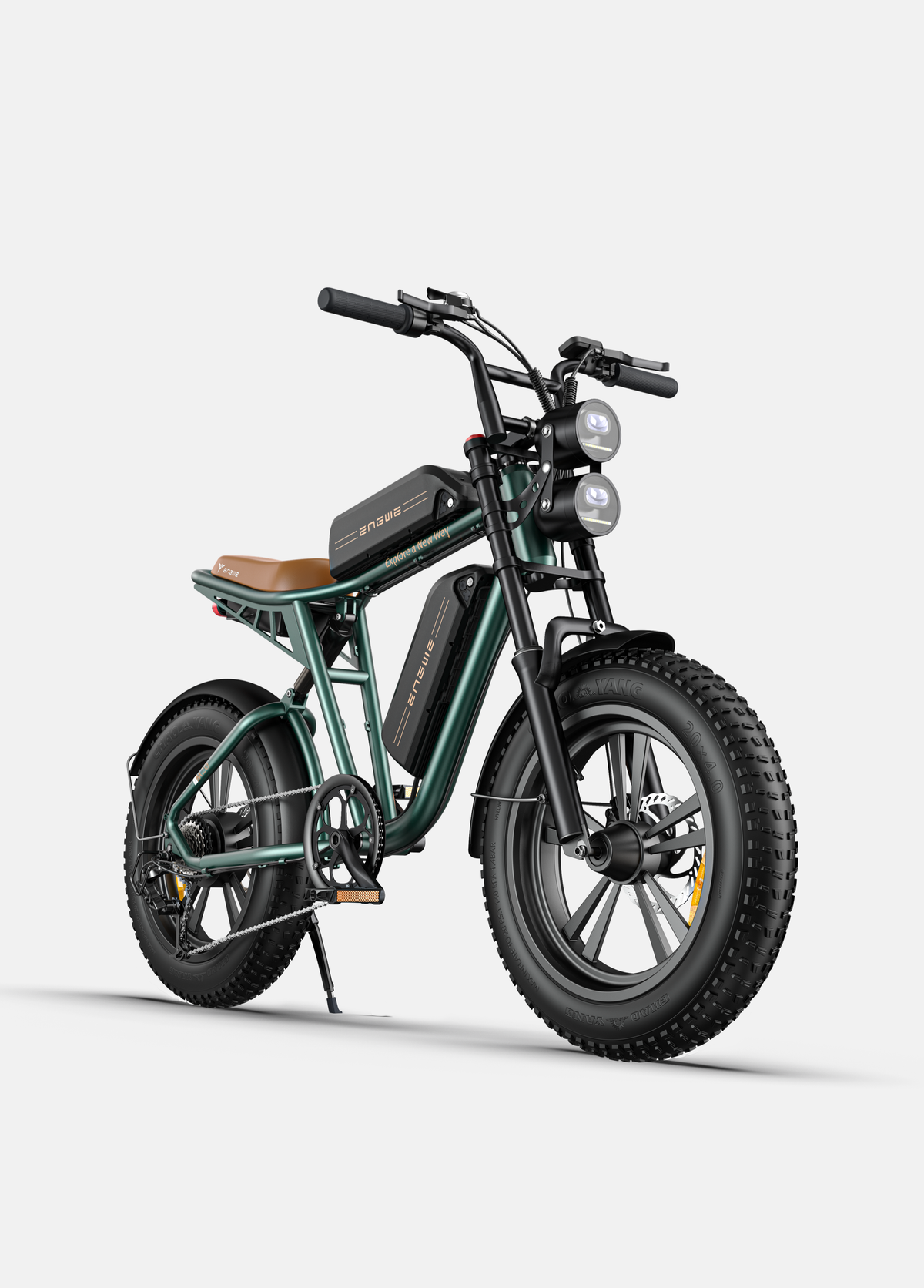
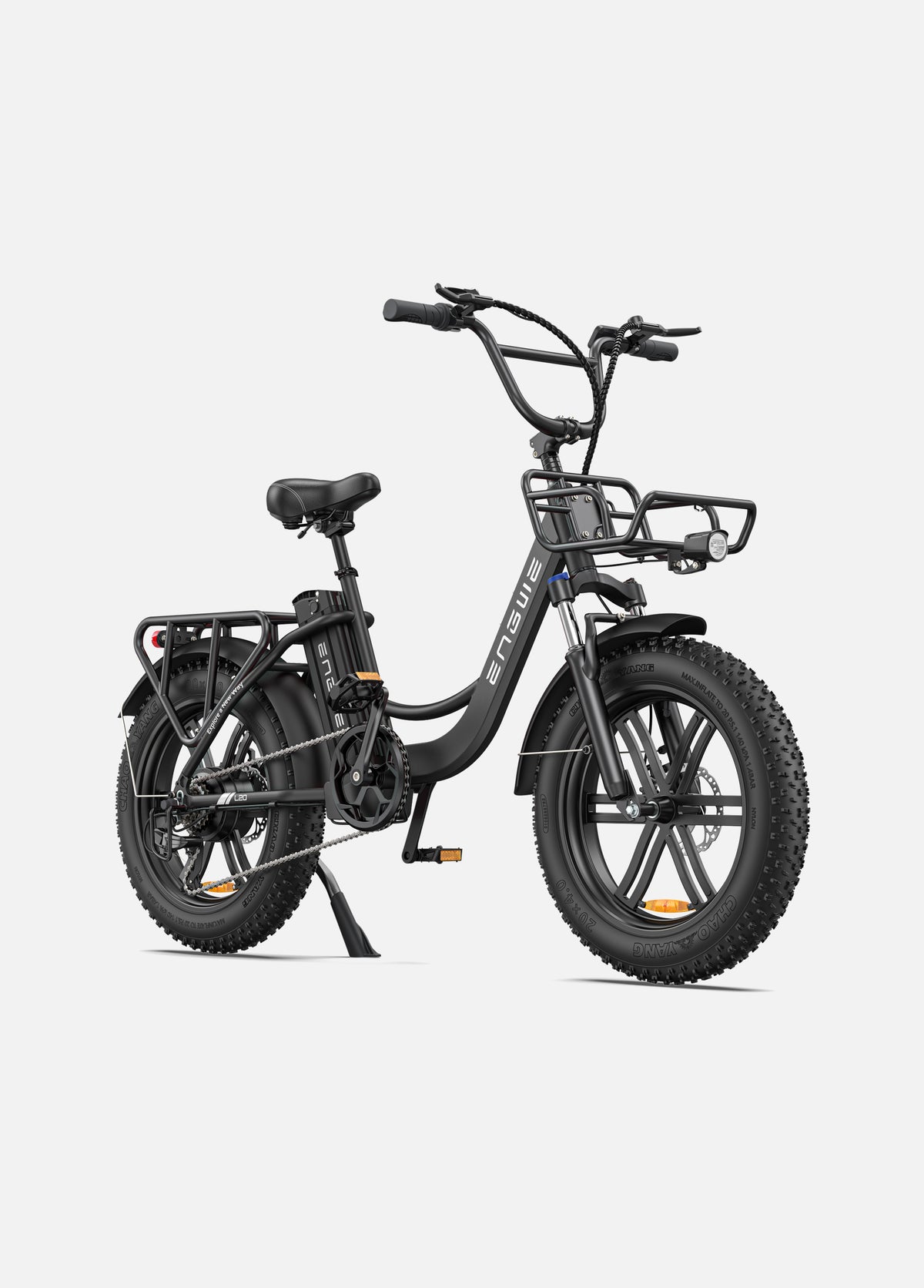
ENGWE is a China-based, globally shipping electric bicycle manufacturer that sells primarily online through its own regional websites (engwe.com and country-specific stores) and select marketplaces. The brand specializes in value-oriented e-bikes, with a heavy focus on folding designs and fat-tire models built for commuting, light off-road riding and utility use. Its lineup spans compact folding fat-tire bikes (the EP-2 Pro and Engine Pro), moped-styled full-suspension models (the M20), and step-through utility and folding bikes (the L20 series), among others. Most ENGWE bikes use 750W-class rear hub motors, 48V or 52V batteries depending on the model, mechanical or hydraulic disc brakes, and LCD displays with multiple pedal-assist levels. The company competes on price and specification against better-known Western brands, positioning itself as a way to get fat tires, suspension and long-range capability without paying premium-brand prices.
ENGWE at a glance
Here is how it breaks down:
| Feature | Detail | Why it matters |
|---|---|---|
| Motor | Most models use a 750W-class rear hub motor with higher peak wattage (roughly 960W-1000W burst depending on model) | Provides strong acceleration and confident hill-climbing, but nominal vs. peak figures explain why real-world feel varies |
| Battery & range | 48V or 52V packs; manufacturer range claims are often in the 50-plus mile zone, with some models (M20) offering a dual-battery option | Advertised range is best-case; independent tests frequently land lower, and dual-battery expandability is a genuine advantage for long rides |
| Tires & frame | 20-inch fat tires (often 4 inches wide) on most flagship models, with folding and step-through frame options | Fat tires add comfort and traction on rough surfaces; folding frames aid storage and transport |
| Suspension | Front suspension on many models; full (dual) suspension on the Engine Pro and M20 | Improves comfort on broken pavement and light trails, at the cost of extra weight and complexity |
| Brakes | Mechanical disc brakes on budget trims, with hydraulic discs on some models | Braking power is critical on heavy, fast fat-tire bikes; hydraulics offer better modulation and stopping |
| Weight | Heavy by class standards, commonly in the 70-plus pound range for fat-tire models | Makes lifting, carrying and folding-for-transport genuinely difficult for many riders despite the folding design |
| Safety certification | Many ENGWE models and batteries are not UL-certified (e.g., UL 2849 / UL 2271) | UL certification is an increasingly important safety benchmark for e-bike batteries and is required by some cities and buildings |
Fat-tire comfort and all-terrain capability
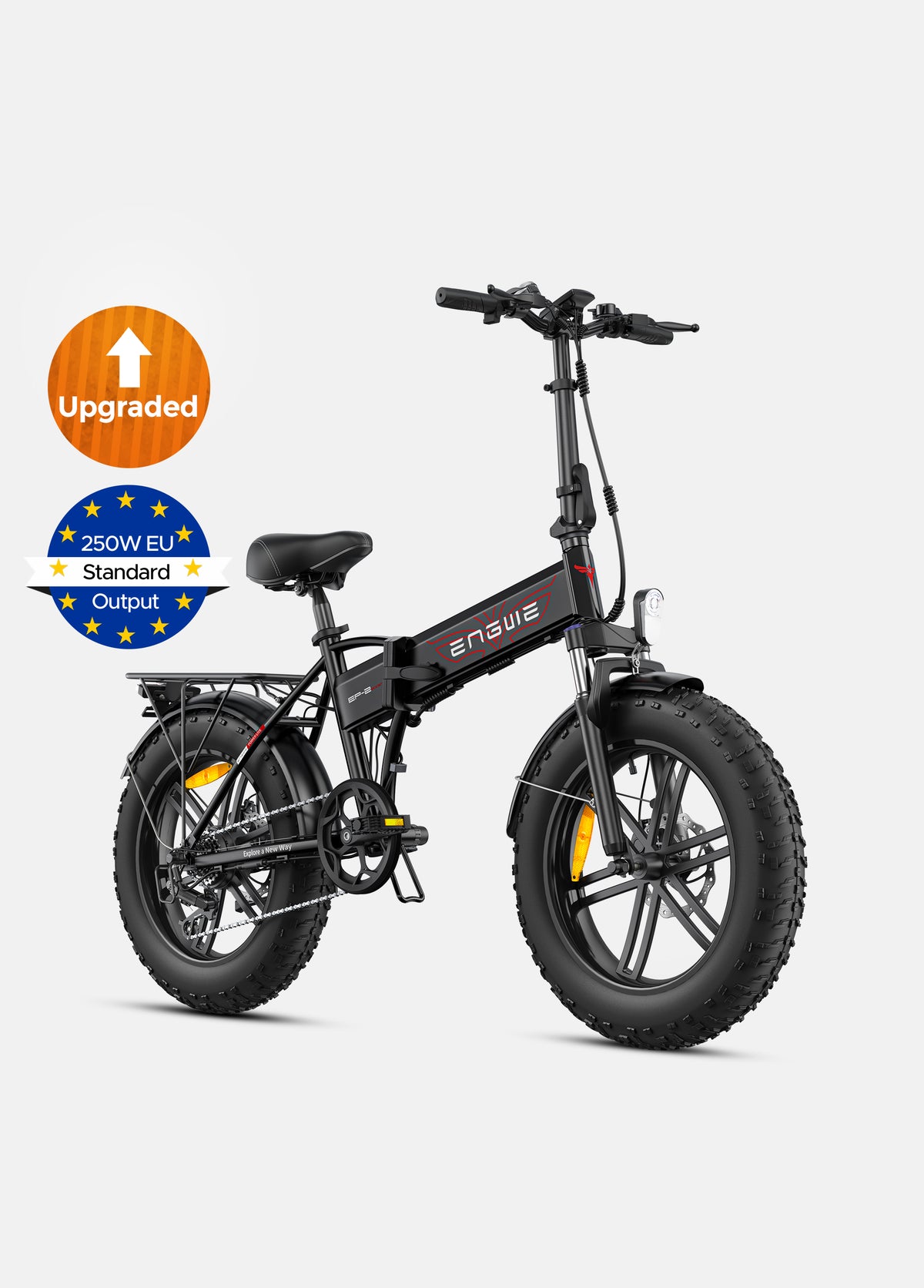
One of ENGWE’s signature strengths is its use of wide fat tires, typically 20-inch by around 4 inches on flagship models like the EP-2 Pro and M20. These oversized tires absorb bumps, float over gravel, sand and packed snow, and add a cushioned, planted feel that lighter road-style e-bikes cannot match. Combined with upright geometry, the result is a forgiving, confidence-inspiring ride for casual commuters and weekend adventurers alike. The trade-off is added rolling resistance and weight, but for riders who value comfort and go-anywhere versatility over speed and efficiency, the fat-tire platform is a big part of ENGWE’s appeal.
Powerful 750W-class motors
Across its core lineup, ENGWE leans on 750W nominal hub motors with higher peak output. Independent reviews of the EP-2 Pro and Engine Pro describe smooth, strong acceleration and the ability to tackle steep hills, dirt, and loose surfaces. The M20’s motor is rated up to a 1000W peak and is capable of Class 3 speeds. This gives ENGWE bikes a punchy, energetic character that many riders enjoy, though it is worth remembering that peak wattage is a burst figure, not sustained output, and that higher power draws down the battery faster.
Folding and space-saving designs
Folding is central to ENGWE’s identity. The EP-2 Pro and Engine Pro fold down to fit in car trunks, RVs, boats and tight apartment storage, and even the L20 line includes folding options. For urban riders, van-lifers and anyone short on storage, this is a meaningful practical advantage over rigid-frame e-bikes. The important caveat is weight: because these are heavy fat-tire bikes, folding them small does not make them light, and lifting a 70-plus pound folded bike into a vehicle is a two-handed, careful-back operation.
Long-range and dual-battery options
ENGWE markets long range as a headline feature, and the M20 in particular offers an optional second battery that roughly doubles capacity (from around 624Wh to about 1,248Wh). For riders who genuinely need extended range or want a buffer against range anxiety, this expandability is a standout feature at the price. Just calibrate expectations: real-world testing of the M20 on a single battery has come in well under the maximum claimed figures, because range depends heavily on assist level, rider weight, terrain and wind.
Suspension for a smoother ride
Several ENGWE models go beyond a basic front fork. The Engine Pro and M20 feature full (dual) suspension, delivering an unusually plush ride quality for their price bracket, comparable in concept to more expensive moped-style bikes. Dual suspension soaks up potholes and light trail chatter and adds to all-day comfort. Reviewers note the suspension is tuned toward basic rather than premium performance, and on some models the rear shock is not adjustable and can feel stiff, but simply having it at this price point is a genuine value proposition.
Value-driven pricing
The central reason most people consider ENGWE is price. The brand consistently undercuts better-known Western competitors while offering comparable or higher specifications on paper, with entry models like the L20 2.0 landing well under the four-figure mark and even flagship fat-tire models costing less than many rivals’ base bikes. You are getting fat tires, suspension and big motors for money that would buy a much simpler bike from a premium brand. The honest flip side, noted by multiple reviewers, is that build quality and component grade are decent and functional rather than premium.
Adjustable speed settings and Class flexibility
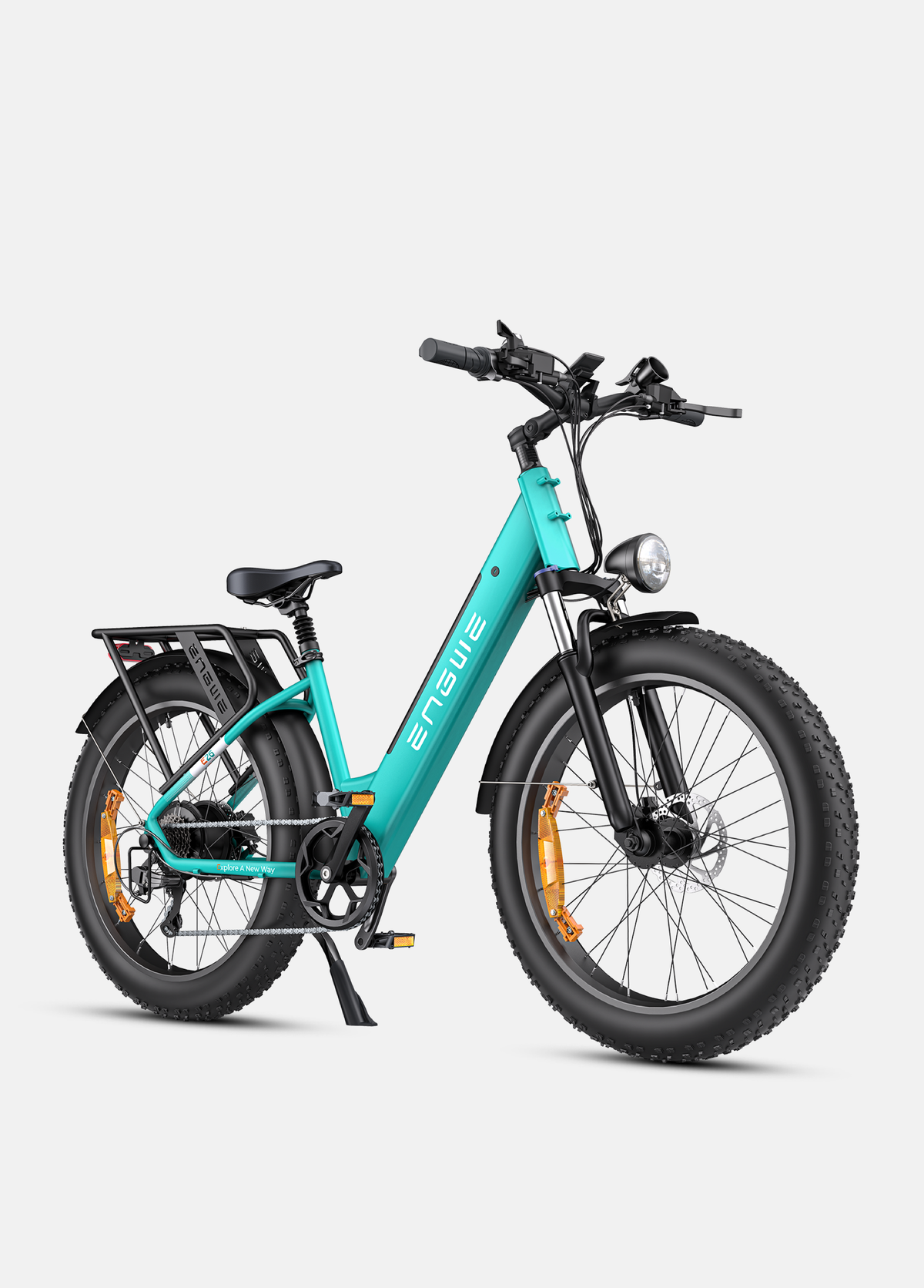
ENGWE bikes typically ship with adjustable speed limits and multiple pedal-assist levels via the LCD display, and models like the M20 are capable of Class 3 (up to 28 mph) performance. This flexibility lets riders dial the bike to their comfort level and, importantly, to their local legal requirements. Because e-bike classifications and speed limits vary widely by country, state and even city, the ability to cap assisted speed is a practical and safety-relevant feature rather than just a spec-sheet number.
Regenerative and energy-saving systems on select models
Some ENGWE models, including the Engine Pro, feature an E-PAS style power-generation system that can recover a small amount of energy when riding above a threshold speed or descending. Reviewers report modest real-world benefit, for example only a small percentage of battery used on a hilly hour-long ride. It will not dramatically extend range, but as a bonus feature at this price it reflects ENGWE’s habit of packing in more hardware than the competition.
Practical utility features
Depending on the model, ENGWE bikes come equipped with integrated lighting, cargo racks (front and rear on the L20), fenders, and BMX or motorcycle-style ergonomics on the M20 and similar bikes. These touches make the bikes usable out of the box for commuting and errands. Reviewers do flag that integrated lights on some models are too dim to rely on for true nighttime riding, so a dedicated aftermarket light is a sensible addition for anyone riding after dark.
ENGWE packs powerful motors, fat tires and folding convenience into some of the most affordable e-bikes on the market. Watch for seasonal sales, sign up for the newsletter to catch launch offers, and look for accessory bundles that stretch your budget further. Compare current pricing and warranty terms on the official ENGWE store before you buy.
Pros and cons
Pros: Excellent value: big motors, fat tires and suspension for well below premium-brand prices; Strong 750W-class motors deliver confident acceleration and hill-climbing; Fat tires provide a comfortable, planted, go-anywhere ride on mixed terrain; Folding and step-through designs suit small spaces, RVs and multimodal commuting; Long-range potential, including a dual-battery option on the M20; Full suspension available on several models, rare at this price point; Adjustable speed and multiple assist levels help match local e-bike laws; Free shipping in the US and a 30-day return window on official stores.
Cons: Heavy bikes (often 70-plus pounds) that are hard to lift and carry even when folded; Many models and batteries are not UL-certified, a growing safety and building-access concern; Advertised range is optimistic; independent tests often come in noticeably lower; Customer service and warranty parts can be slow or inconsistent, especially outside major regions; Build quality and components are functional and basic rather than premium, and some lights are too dim for night riding.
Is ENGWE legit?
Yes – ENGWE is a legitimate, widely reviewed brand, not a scam. It sells clearly described products, has a real customer base and is covered by independent reviews. Buying from the official store or an authorized channel gives you genuine products, the current deals and support.
vs Lectric
Lectric is ENGWE’s most direct rival in the folding, value-first segment, and the Lectric XP series is a close competitor to ENGWE’s folding fat-tire bikes. Lectric’s advantages are its US-based operation, strong domestic support reputation, and attention to battery safety certification, which can matter for warranty speed and for cities or buildings that require UL-certified batteries. ENGWE tends to counter with more aggressive specifications for the money, such as fatter tires, full suspension on more models, and dual-battery range options. If fast local support and safety certification top your list, Lectric is the safer pick; if you want the most hardware per dollar and are comfortable managing the trade-offs, ENGWE is compelling.
vs Aventon
Aventon is generally the more polished, mainstream-feeling brand, favored by commuters and cruiser riders who value clean integration, app connectivity, refined ride quality and access to a dealer network for service. Aventon bikes typically look and feel a step more premium and are easier to get serviced locally. ENGWE competes on raw value and rugged, adventure-oriented fat-tire designs rather than refinement. Choose Aventon if you want a cohesive, well-supported commuter experience and are willing to pay for it; choose ENGWE if you prioritize price, fat-tire capability and folding versatility over fit-and-finish.
vs Rad Power
Rad Power was long the default American budget-utility e-bike brand, but its situation has changed dramatically: the company filed for Chapter 11 bankruptcy, and US regulators (CPSC) warned consumers to stop using several older Rad models over battery fire risk, while newer models use Rad’s updated SafeShield battery technology. That uncertainty around long-term support and parts availability is a real consideration for buyers. ENGWE, by contrast, remains an active, shipping brand with a broad lineup, though it carries its own caveat that many of its batteries are not UL-certified. Neither is a clear-cut safety winner, so scrutinize the specific model’s battery certification and current warranty support before buying either.
Who ENGWE is for
ENGWE is best for budget-conscious riders who want maximum capability per dollar: commuters who need a folding bike for small apartments or multimodal travel, recreational riders who want fat-tire comfort on mixed surfaces, and adventurous users who value big motors and long-range or dual-battery options. It suits people who are comfortable doing basic assembly and light maintenance themselves and who understand they are buying a value product, not a premium one. It is a poor fit for riders who need a lightweight bike they can easily carry, who require a UL-certified battery for their building or city, or who want the reassurance of a nearby dealer and fast, hassle-free warranty service.
Is ENGWE worth it?
For the right buyer, an ENGWE e-bike is worth it. The core proposition, a lot of motor, tire and suspension for a low price, holds up in independent reviews, and many owners are genuinely happy with their bikes and the value they represent. The honest qualifier is that value here comes with trade-offs you must accept going in: significant weight, mostly non-UL-certified batteries, range figures that are best-case rather than typical, and customer support that can be inconsistent. If those trade-offs are acceptable and you buy a model that fits your terrain and legal environment, ENGWE offers strong bang for the buck. If any of those caveats is a dealbreaker, spending more on a certified, locally-supported brand may be the better long-term decision.
Understanding UL certification and battery safety
One of the most important topics for any e-bike buyer today is battery safety certification. Standards like UL 2849 (for the full electrical system) and UL 2271 (for the battery pack) test for fire and electrical hazards, and a growing number of US cities and residential buildings now require UL-certified e-bikes. Independent reviews repeatedly note that many ENGWE models and their batteries are not UL-certified. This does not automatically mean a bike is unsafe, but it does mean it lacks that specific third-party verification, and it may prevent you from storing or charging the bike where certification is mandated. Always confirm the certification status of the exact model you are considering, charge with the supplied charger, avoid leaving the battery charging unattended overnight, and store batteries away from exits and flammable materials.
Assembly and getting started
ENGWE bikes ship mostly assembled but require some final setup, typically attaching the front wheel, handlebars, pedals, seat and fenders, and charging the battery before the first ride. Owner reports are mixed but generally manageable: many describe assembly as straightforward with the included tools and instructions, while a minority received bikes with missing or defective parts that required waiting on replacement shipments. Budget an hour or so, follow the torque and safety instructions carefully (especially for the brakes and folding hinge), and consider having a local bike shop do a quick safety check on brakes, spokes and bolts before you ride at speed.
Real-world range vs. advertised range
As with virtually all e-bike brands, ENGWE’s headline range figures represent best-case conditions, usually the lowest pedal-assist level, a light rider, flat ground and no wind. Independent testing tells a more realistic story: the M20, for example, delivered well under its maximum claimed range on a single battery in a standardized test. Your actual range will depend on assist level, throttle use, rider and cargo weight, hills, temperature, tire pressure and wind. Plan trips around a conservative estimate rather than the marketing number, and if long range is essential, prioritize a model with a larger or expandable battery like the M20’s dual-battery setup.
Maintenance and ownership costs
Fat-tire e-bikes like ENGWE’s need routine care to stay safe and reliable: keeping tires properly inflated, checking and adjusting disc brakes, keeping the chain clean and lubricated, ensuring all bolts (especially on the folding hinge and stem) stay torqued, and periodically inspecting spokes and the battery. Mechanical disc brakes on budget trims need occasional pad and cable adjustment, while hydraulic discs on higher models need less frequent but more specialized service. Because ENGWE is a direct-to-consumer brand, you will often handle basic maintenance yourself or through a local shop, so factor in tools, consumables and occasional shop visits as part of the true cost of ownership.
Safety gear and responsible riding
E-bikes are heavier and faster than traditional bicycles, and ENGWE’s fat-tire models are heavier still, which means longer stopping distances and more energy in a crash. Always wear a properly fitted helmet, and consider gloves, lights and high-visibility clothing, especially since some ENGWE integrated lights are too dim for reliable night use. Ride within your skill level, respect speed limits, and be mindful of pedestrians and traffic. The bike’s weight also matters for practical safety: know your limits when lifting or carrying it, and use ramps rather than lifting a 70-plus pound bike whenever possible.
How to save at ENGWE
ENGWE regularly runs seasonal promotions, with the biggest discounts typically appearing around major sales events like Black Friday and Cyber Monday, as well as spring and summer riding-season sales. Signing up for the ENGWE newsletter on the official site is a reliable way to catch launch discounts and time-limited offers, and the brand often bundles accessories (extra batteries, racks, fenders, locks) or discounts add-ons when you buy a bike, which can be better overall value than chasing a single price cut. It is also worth comparing the price on ENGWE’s official regional store against reputable authorized retailers, since inventory clearances on previous-generation models can yield real savings. Always verify any deal directly on the official site or an authorized seller rather than trusting third-party coupon claims, and factor in warranty and return terms, not just the sticker price, when judging the true value of a discount.
Ready to buy from Engwe?Up to €1,050 OFF — offer tracked on our store page, checked 3 Sep 2026.
Frequently asked questions
Is ENGWE a legit brand? Yes. ENGWE is an established electric bike manufacturer that sells worldwide through its official site (engwe.com) and regional stores, and its bikes have been reviewed by numerous independent outlets. Customer ratings on platforms like Trustpilot are generally positive on its main and EU/UK regional stores, though ratings vary by region. It is a real company, not a scam, but buy through official or authorized channels.
Is an ENGWE e-bike worth it? For value-focused buyers, generally yes. You get powerful motors, fat tires, folding designs and often suspension for less than comparable premium-brand bikes. It is worth it if you accept the trade-offs: weight, mostly non-UL-certified batteries, optimistic range claims and variable support.
How is shipping and assembly handled? ENGWE ships direct to customers, with free shipping advertised in many regions. Bikes arrive mostly assembled, needing final setup of the wheel, handlebars, pedals, seat and fenders. Most owners find assembly manageable, though some report missing or defective parts. A local bike shop safety check before your first fast ride is smart.
What are the real range and motor specs? Most ENGWE flagship models use a 750W nominal rear hub motor with a higher peak output (roughly 960W to 1000W), paired with 48V or 52V batteries. Advertised range often exceeds 50 miles, but independent testing typically comes in lower, and real range depends on assist level, rider weight, terrain and conditions.
Are ENGWE e-bikes road-legal? It depends on where you live. E-bike laws vary by country, state and city, covering assisted speed, wattage and class rules. Some ENGWE models can hit Class 3 speeds and include adjustable speed settings so you can configure the bike to local rules. Check your regulations and set the speed and assist mode before riding on public roads.
Are ENGWE batteries UL-certified? Many ENGWE models and batteries are not UL-certified (standards such as UL 2849 and UL 2271), flagged repeatedly in independent reviews. This matters because some cities and buildings now require UL-certified e-bikes. Confirm the certification status of your specific model, use only the supplied charger, and follow safe charging practices.
Does ENGWE offer discounts or deals? Yes. ENGWE runs seasonal promotions, with the deepest discounts usually around Black Friday, Cyber Monday and riding-season sales. Signing up for the newsletter helps you catch launch offers, and accessory bundles can add value. Always verify any promotion on the official or an authorized store.
What warranty does ENGWE provide? ENGWE typically offers a one- to two-year limited warranty depending on product and region, covering non-human-caused defects with free replacement parts, plus a 30-day return window with conditions. Warranty experiences are mixed, so keep order records and expect overseas parts to take time.
Which ENGWE model should I choose? The EP-2 Pro is a popular folding fat-tire all-rounder; the Engine Pro adds full suspension; the M20 is a moped-styled full-suspension bike with an optional dual-battery system; and the L20 series targets affordable step-through utility use. Match the model to your terrain, storage, range needs and local speed class.
The bottom line
ENGWE delivers genuine value in the electric bikes space – honest quality at a fair price, backed by real deals. Weigh the trade-offs noted above against your needs, and it is a smart, low-risk choice in 2026.
